

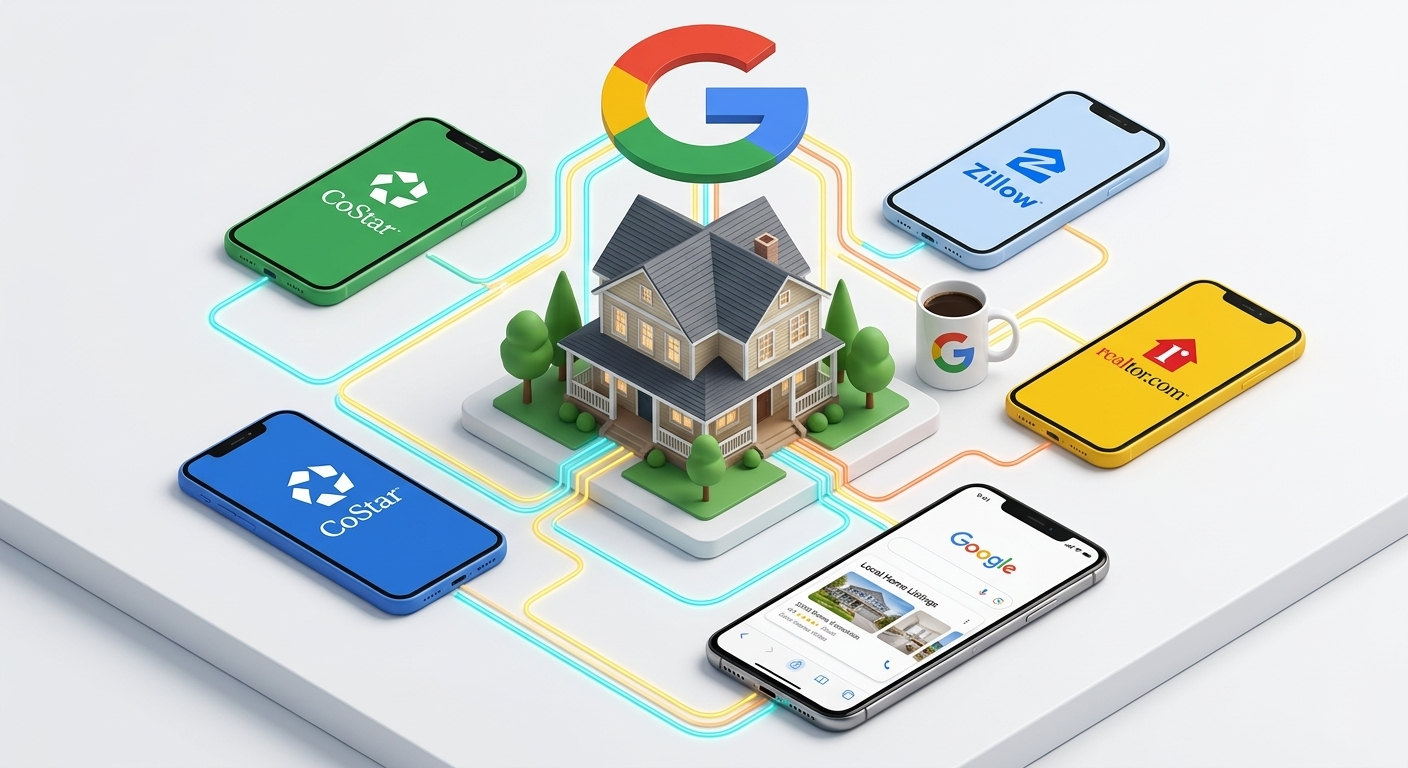
Google has officially gone national with home listings. As of June 10, 2026, Google’s home-listing ad units – powered by AI-enabled brokerage HouseCanary – are live in all 50 states, surfacing property photos, pricing, and direct agent contact information at the very top of mobile search results. This is not a rumor or a pilot. It is a nationwide product rollout that is already reshaping where buyers start their home search.
For real estate agents, this is both a threat and the biggest lead-generation opportunity of 2026. Here is what is happening, what it means for your business, and exactly how to position yourself inside it before your competitors do.
What Google Just Did (And Why Zillow Is Nervous)
On June 10, 2026, HouseCanary announced it is powering a national expansion of Google’s home-listing program through its consumer marketplace, ComeHome. The rollout transforms Google Search – already where most buyers begin their property research – into a direct listing portal, complete with property cards, agent attribution, and lead-capture actions (call, text, or book an appointment) without ever visiting Zillow, Realtor.com, or any third-party site.
The market reaction was swift. Zillow shares fell sharply on the news, echoing a December 2025 session where Zillow dropped as much as 13% intraday and CoStar fell 12% when Google’s initial pilot was first revealed. Goldman Sachs analysts acknowledged the development posed a “long-term risk for real estate portals.” Real estate strategist Mike DelPrete, who first covered the pilot, wrote that Google had entered “the portal wars.”
The stakes are clear: if Google becomes the first stop for home searches, the portals that currently charge agents thousands per month for buyer introductions lose their stranglehold on discovery traffic. Agents who get in front of this shift gain a direct pipeline from the world’s most-used search engine.
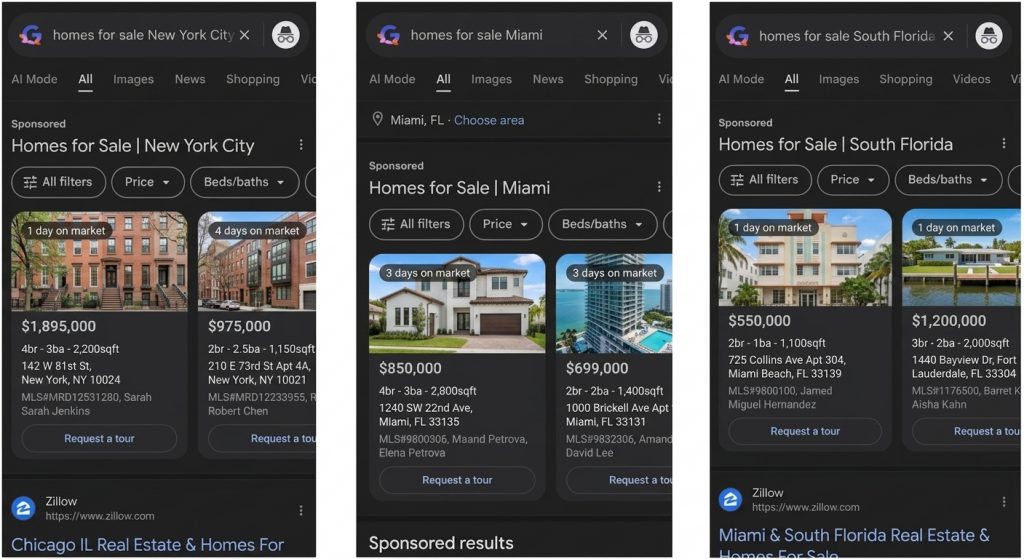
How the Program Actually Works
Google’s home-listing cards are not crawled web pages. They are structured listing data flowing from a specific pipeline. Here is how the data gets into Google Search:
- Participating MLSs sign data agreements with HouseCanary, allowing their active listings to be surfaced via ComeHome into Google’s Local Services Ads framework.
- Brokers and agents with membership in a participating MLS receive automatic listing attribution and a contact card at no incremental media cost.
- Agents who also run Local Services Ads (LSA) can upgrade that attribution into a full lead-capture unit – complete with a “Google Screened” badge, call and messaging buttons, and appointment booking directly in search results.
The currently active MLSs feeding the program include My State MLS (national), CRMLS, and San Diego MLS, with more expected to join as the program scales. eXp Realty has also secured a direct syndication deal, sending its agents’ Coming Soon and pre-market listings to ComeHome – and therefore Google – via Zenlist starting April 2026.
The Agents Who Win Will Do Two Things
1. The Agents Who Win Will Do Two Things
The first step is structural: if your listings are not in a participating MLS, they will not appear in Google’s home-listing units. Full stop. This is not an SEO problem or an advertising spend problem — it is a data plumbing problem, and it has a clean fix.
Agents and brokerages should confirm whether their current MLS has an active HouseCanary data agreement. If not, My State MLS is a national option that is already in the program and available to brokerages in all 50 states. For agents affiliated with eXp Realty, Coming Soon and pre-market listings can be syndicated to Google right now via Zenlist – no waiting for a new MLS deal.
2. Capture Leads With Local Services Ads
Listing attribution in the Google feed gives agents visibility. Local Services Ads layered on top of that visibility converts it into leads. LSA-enabled agents appear at the very top of search results with a “Google Screened” badge, verified credentials, and direct contact actions that allow buyers to call, message, or book an appointment without clicking to another site
LSA rankings are determined by a combination of review count, responsiveness, and profile completeness. Google’s 2026 structural updates to LSA made responsiveness signals – specifically missed calls and slow follow-up – a direct ranking factor. This means lead response is not just a sales practice; it is an algorithmic input that determines how often your listing card appears.
Agents running LSA in comparable local service categories see cost-per-lead figures that are 51% lower than traditional Google Ads and 71% lower than non-branded paid search. In real estate specifically, lead costs via Google channels range from $15 to $350 per lead depending on market competitiveness, with NYC and San Francisco at the higher end.
The Numbers That Should Get Your Attention
| Channel | Typical cost per lead | Notes |
| Zillow Premier Agent | $100–$1,000+/mo flat fee | No per-lead transparency; regional variation is extreme |
| Realtor.com Connections | $20–$150 per lead | Shared leads; multiple agents receive the same contact |
| Google LSA (real estate) | $30–$125 per qualified lead | Pay only for verified contacts; Google Screened badge |
| Traditional Google Ads | ~$472 cost per paying customer | Blended figure across campaigns |
| Google LSA blended | ~$233 cost per paying customer | 51% more efficient than standard Google Ads |
The math is not subtle. LSA delivers lower verified lead costs than the platforms most agents already pay for, and unlike Zillow’s model, leads come directly to you – not shared with competing agents.
What Is Listing3D Doing About This
Listing3D is launching a done-for-you Google LSA Setup and Management Service built specifically for real estate agents and small brokerages.
Here is what that includes:
Setup (one-time)
- MLS participation audit – confirming whether your current MLS feeds HouseCanary or enrolling you in My State MLS if not
- Google Business Profile verification and optimization
- LSA account creation, state license submission, background check coordination, and Google Screened qualification
- MCC linkage so your account is managed from a professional agency dashboard, not left to auto-optimize
Ongoing management (monthly)
- Lead routing directly into your Listing3D CRM with speed-to-lead timers and follow-up automations
- Dispute management for invalid or low-quality leads (this alone frequently recovers hundreds of dollars per month)
- Review growth workflow to improve LSA ranking over time
- Weekly scorecard: leads received, response time, disputed leads, booked appointments, estimated ROI
3D media enrichment
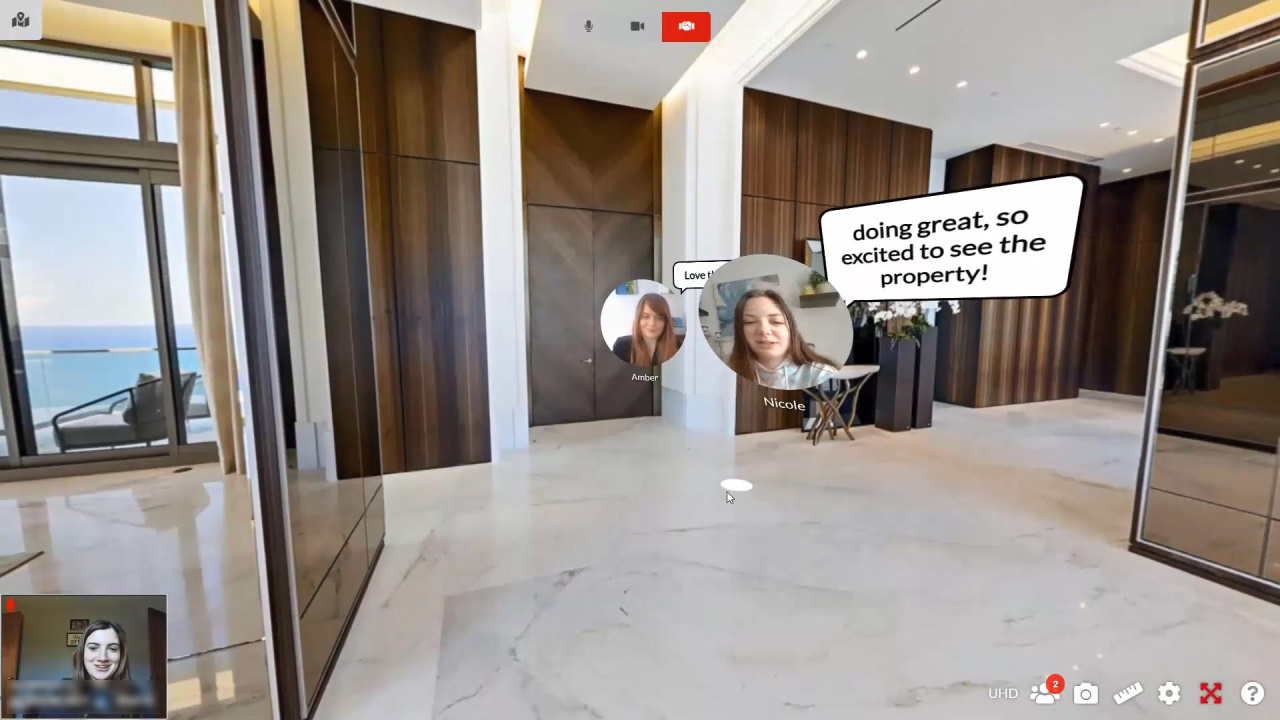
- Every listing you produce a Listing3D tour for is packaged as a Google-ready media asset — higher-quality listing cards than any flat-photo MLS feed competitor
Pricing
| Tier | Best for | Monthly fee |
| Starter | Solo agent new to LSA | $249/mo + $299 setup |
| Growth | Active agent, 5+ listings | $499–$599/mo + $499 setup |
| Pro | Agent bundling 3D tours | $499–$599/mo + $499 setup |
| Brokerage | Teams of 5–30 agents | $1,500–$3,000/mo |
Ad spend is separate and passes directly through your own Google account. You own the account and all its history; Listing3D manages the operations.
The Window Is Right Now
Google’s program went live in all 50 states on June 10, 2026. Early participants in the pilot markets – Houston, Los Angeles, Miami, Denver, Chicago, and the Bay Area – had a six-month head start on review accumulation, LSA ranking signals, and lead volume. In local search advertising, that kind of head start is durable: review counts and response history are difficult to close quickly once a competitor has built them up.
Agents who act in the next 60 days will establish ranking foundations while most of their market is still reacting to the news. Agents who wait will be playing catch-up against competitors who have already built the reviews, responsiveness history, and CRM workflows that Google rewards.
The question is not whether Google is a serious real estate lead source. As of this week, it clearly is. The question is whether your listings are in the feed, and whether your operation can respond fast enough to rank.
Listing3D provides 3D virtual tour production, listing technology, and now Google LSA management services for real estate agents and brokerages across the United States. To learn more about getting your listings into Google’s home-listing program, visit listing3d.com.
Additional Services
Take Your Marketing Even Further


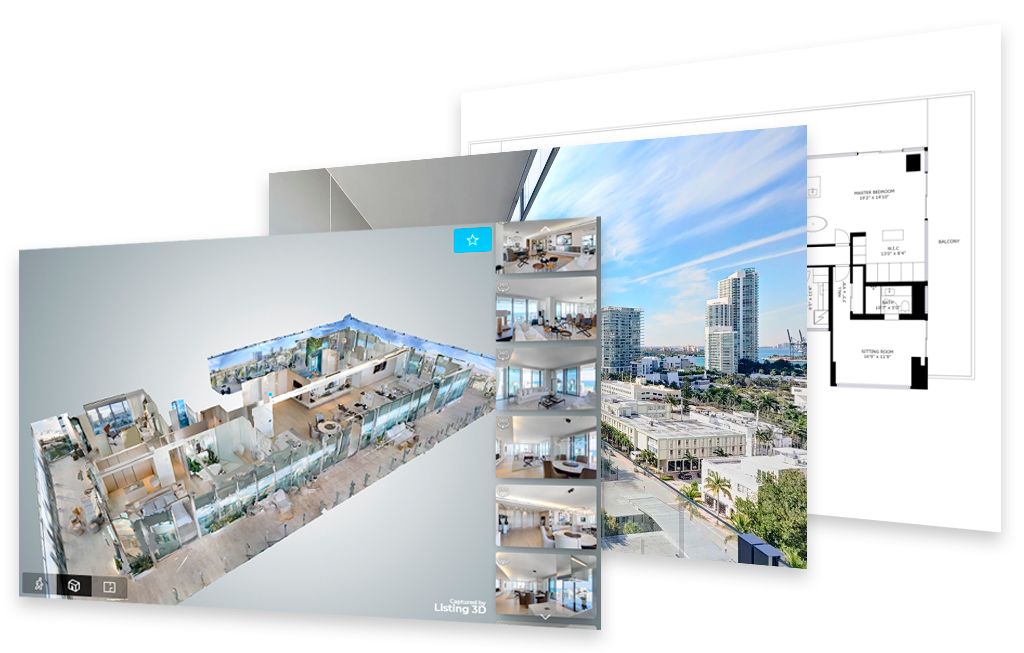

Additional Features at no cost
Part of any package
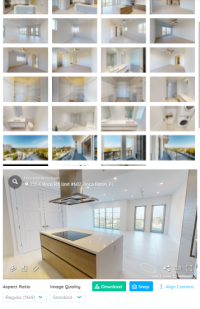
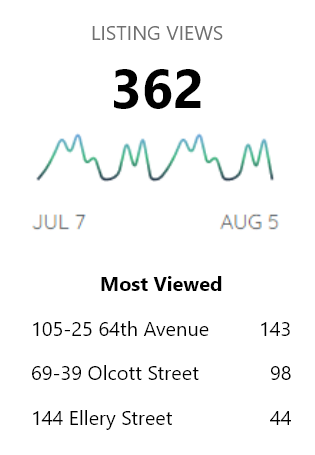
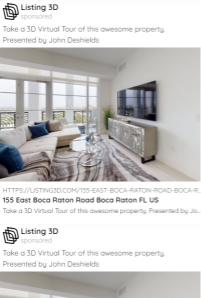

Press






Easy and Fast
Easily differentiate yourself from your competitors with our 3D Marketing Package. What used to be very expensive, is now affordable.
